Window wells

Window wells.

A window well is a hole dug against your foundation so a below-grade window can exist at all. Four things get bought around it, and they are not interchangeable: the well, the grate over it, the ladder inside it, and the view out of it. Here is each one, priced, and the two code figures that decide how big the hole has to be.

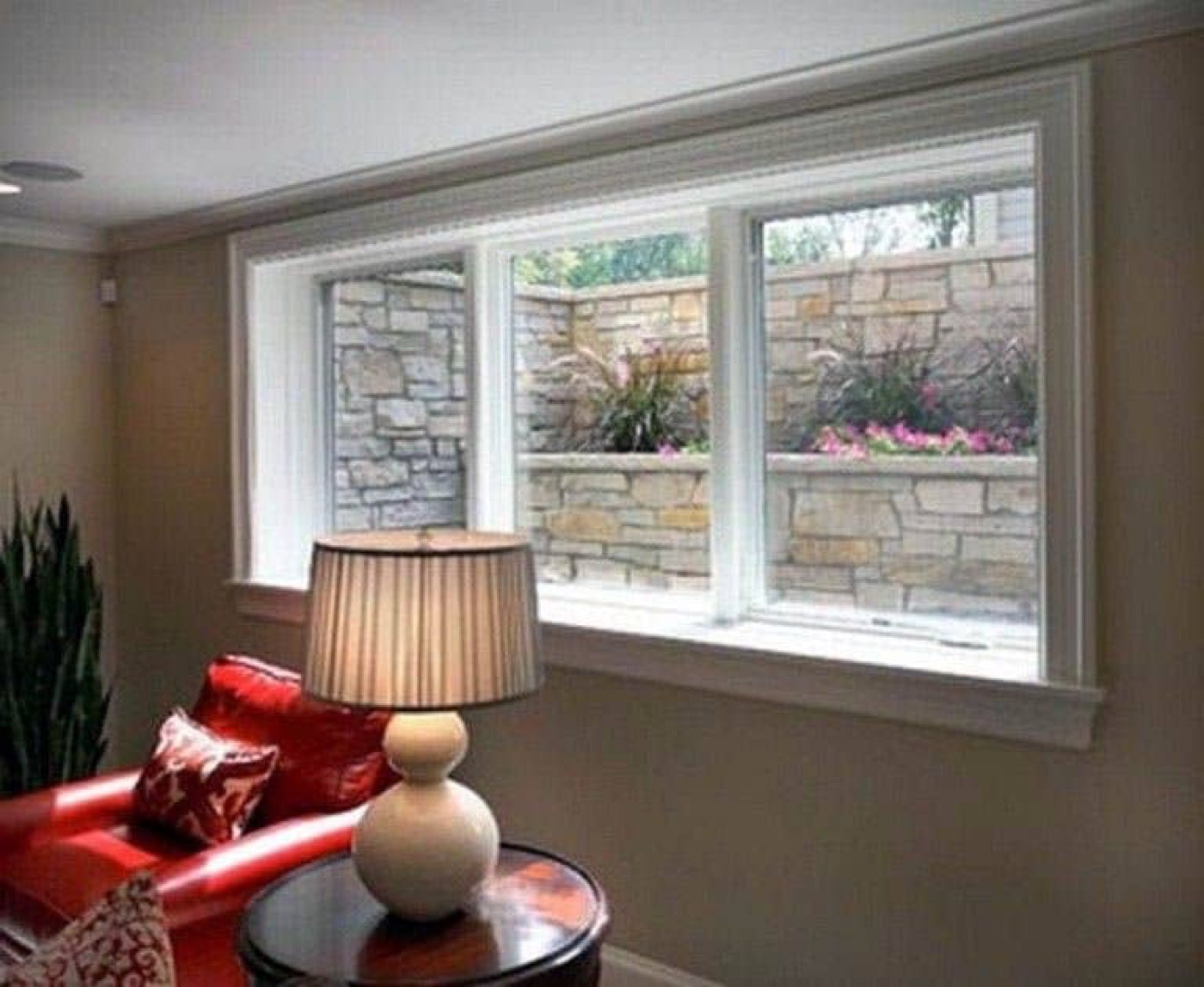
The view from inside a room onto a window well faced with a dry stone wall
Photo: The Great Egress Co.

Start with the hole, not the hardware

Two numbers decide the size of the well.

9 sq ft
Minimum window well area

With a horizontal projection and width of at least 36 inches.

R310.4.1, 2021 edition

44 in
Well depth above which a ladder or steps is required

The ladder has to be permanently affixed, and it may not be blocked by the window when open.

R310.4.2, 2021 edition

International Residential Code (IRC), 2021 edition. Measure width, projection from the wall and depth before ordering anything: every product below is sold by those three numbers, and local jurisdictions amend the figures.

9 wells

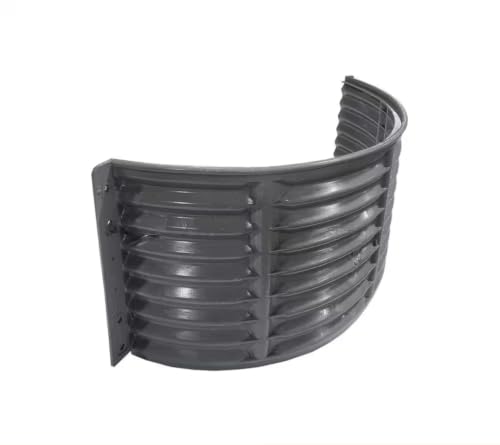
The well itself, galvanised steel.

A corrugated steel well is what most houses have: it holds the grade back off the window and it bolts to the foundation. It is sold by width and by how far it projects from the wall, so measure the opening before you pick one. If your well has to retain more than a couple of feet of soil, that is masonry work and not a bolt-on part.

Prices read on 2026-09-01 on Amazon and they move without notice. Paid links: we earn a commission at no cost to you, and it does not change what we wrote.

7 grates

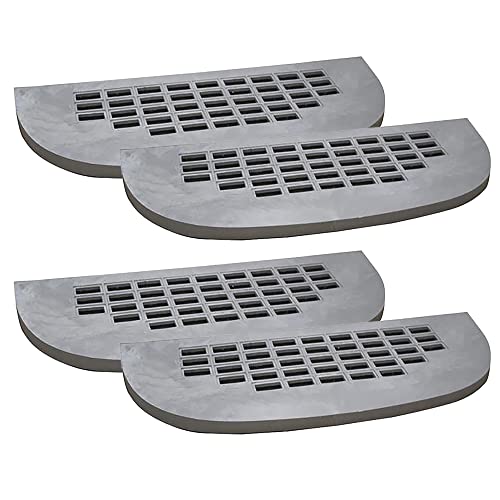
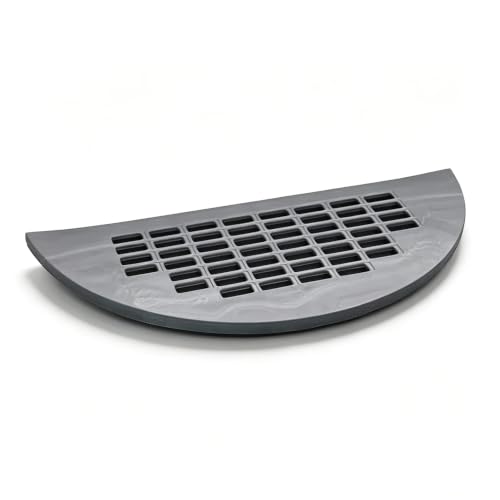
A grate is walked on. A cover is not.

The two get sold under the same heading and they do different jobs. A grate is a flat steel or aluminium frame that sits flush with the ground, takes the weight of a person who steps on it, and keeps the well open to the rain. A bubble cover is a clear dome that sheds water and snow but is not a walking surface. If the well sits in a lawn or a path, you want the grate.

Same warning as on the covers page, and it applies harder to a grate because it is heavier: if this well serves an escape window, it has to be openable from inside. Ask your building department how they want it fastened before you bolt anything down.

Read on 2026-09-01. Grates are sold to fit a well of a stated size, not to be cut down.

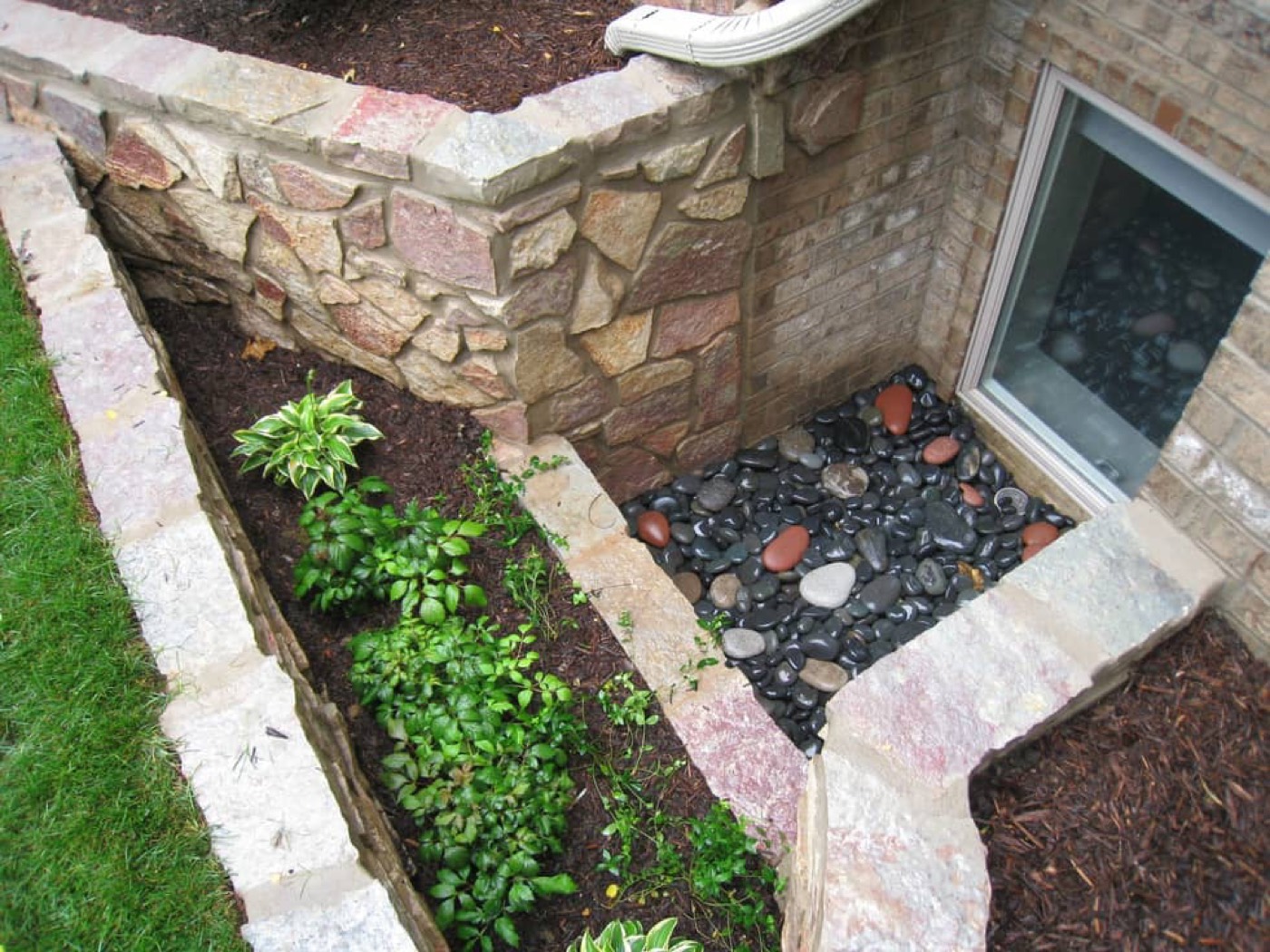
A window well opening into a planted bed, edged with dark stone
Photo: The Great Egress Co.

10 well scenes

These are murals, not liners.

Search for a window well liner and this is most of what comes back, so it is worth being plain about what it is: a printed vinyl scene you mount on the inside wall of the well, so that the view from the basement is a woodland path instead of corrugated steel. It is decoration. It retains no soil, carries no load and changes nothing about drainage or code.

On a finished basement bedroom it is the cheapest thing you can do to make a below-grade room feel less like a basement. On an unfinished well it is money spent on the wrong problem.

Read on 2026-09-01. Sold by the sheet, in the sizes shown in each title: measure the inside face of your well, not the window.

The part nobody shops for

A well with no drain is a bucket against your foundation.

Every product on this page sits on top of a hole that has to get rid of water. Cover it badly and you slow the problem down; drain it properly and the cover becomes a convenience rather than a defence. The drainage step is the one that decides whether the basement stays dry, and it happens while the well is being dug, not after.

How the well is dug and drained

Already have a well that holds water?

The two on their own page

Covers and escape ladders.

14 covers and 10 ladders are priced separately, with the code rule that governs both: above 44 in of well depth the ladder stops being optional, and a cover over an escape well has to come off from inside.

Covers and ladders, priced

The windows themselves ยท What the permit involves